

The Dental Team Kansas City Families Trust
For more than 50 years, Dentistry for Children has helped Kansas City families protect their child’s smile through expert dental treatment and compassionate care. Our dental office is built around creating positive dental experiences for children and teens while helping parents feel confident about their child’s oral health.
At Dentistry for Children, our dentists and dental associates focus on prevention, education, and personalized care. By helping children feel comfortable during visits and guiding families with clear information, we help kids develop healthy smiles that last.
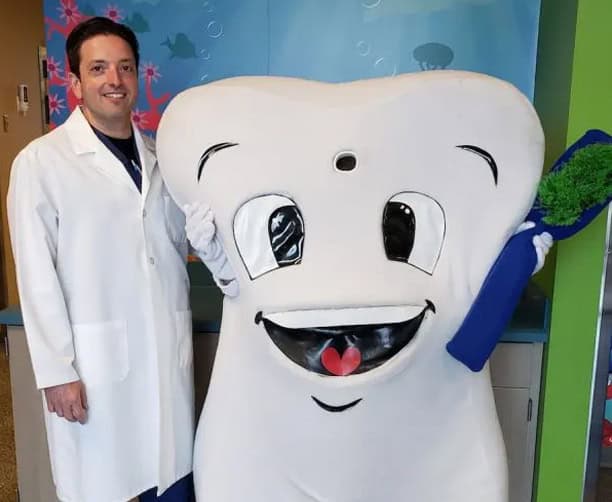
About Our Pediatric & Teen Dental Practice
Dentistry for Children has served families across Kansas City for more than five decades. Our practice was created to provide dental care designed specifically for infants, children, and teens.
Our pediatric dentists and dental associates focus on prevention and early care to help protect growing smiles. Regular dental visits allow our team to monitor development, prevent cavities, and guide families in building healthy habits at home.
We believe that when children feel comfortable at the dentist and parents understand how to protect their child’s teeth, dental visits become a positive part of growing up. Our goal is to provide pediatric, teen, and special needs dentistry that supports both children and families every step of the way.















Meet Our Dentists
Our dentists are dedicated to helping children and teens develop healthy smiles while creating positive dental experiences for families. Each dentist on our team brings specialized training and a commitment to providing compassionate care for children.

Dr. Louis Pollina
Dr. Louis Pollina has spent decades helping children develop healthy smiles through compassionate pediatric dentistry. As the owner of Dentistry for Children, he is committed to providing a welcoming dental office where families feel comfortable and supported.

Dr. Brandi Roeber
Dr. Brandi Roeber is dedicated to helping children feel confident and comfortable during dental visits. Her approach to pediatric dentistry focuses on patient communication and gentle care that supports healthy dental habits.

Dr. Aaron Bumann
Dr. Aaron Bumann is passionate about helping children maintain healthy smiles through preventative pediatric dentistry. His focus on education and patient care helps families better understand their child’s oral health.

Dr. Laura Walden
Dr. Laura Walden provides dental care designed specifically for teenage smiles. She works closely with children and parents to ensure every dental visit is positive and supportive.
Meet Our Dental Hygienists
Behind every great pediatric dental office is a team that truly cares about children and families. Our dental hygienists and assistants support our doctors to provide professional, comfortable, and fun treatment for our patients.










Worried you’ll forget something when you visit us? Download The Busy Parent’s Dental Visit Prep Kit and make every future visit smooth!
Meet Our Dental Admin Team
Every great doctor needs a support staff. Our dental admin team works with our doctors to create a welcoming and supportive environment for every patient.











Worried you’ll forget something when you visit us? Download The Busy Parent’s Dental Visit Prep Kit and make every future visit smooth!

Visit Our Dental Offices
Dentistry for Children proudly serves families throughout Kansas City with two convenient dental office locations.
Liberty Dental Office
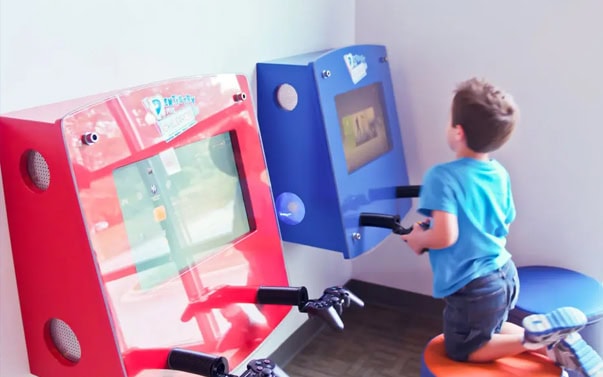
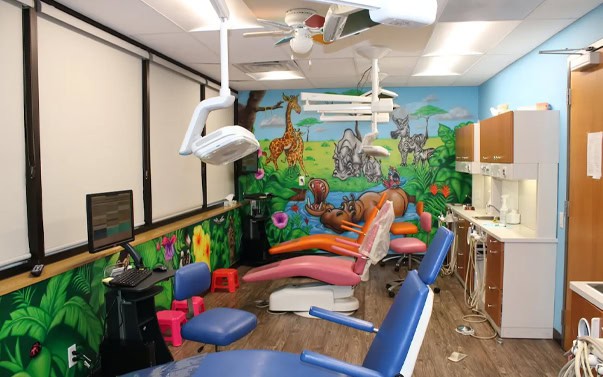
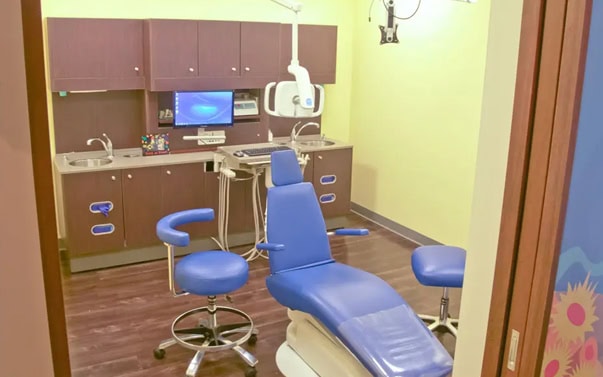
Our Liberty location provides comprehensive pediatric dentistry for infants, children, and teens. Families appreciate the friendly environment and the care provided by our experienced pediatric dentists and dental associates.

Gladstone Dental Office
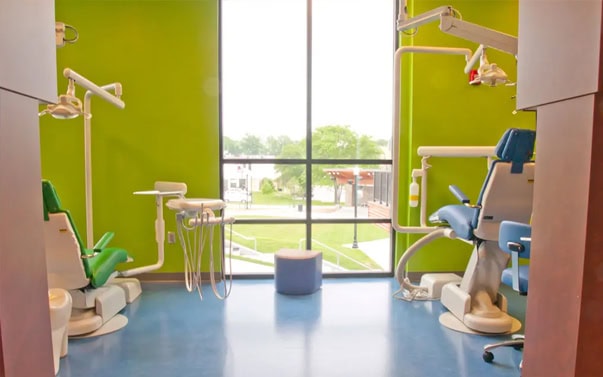
Our Gladstone dental office offers the same trusted dental care in a convenient Northland location. Our pediatric dentists and dental associates work together to help children feel comfortable and supported during every visit.
Preparing Children for Their Dentist Visit
At Dentistry for Children, we believe every child deserves access to compassionate dental care. Our pediatric dental practice welcomes all children, including those with a wide range of healthcare needs such as autism, ADHD, sensory processing disorders, developmental conditions, and other behavioral or medical challenges. You can read more about how we care for differently abled children here.
Preparing children ahead of time can help them feel more confident and comfortable during their pediatric dental appointment. Our goal is always to create a positive experience that supports each child’s unique needs. We offer a Social Story guide that parents can review with their child before their appointment to help them understand what will happen during their visit. Please use the button below to download it.

Community Involvement
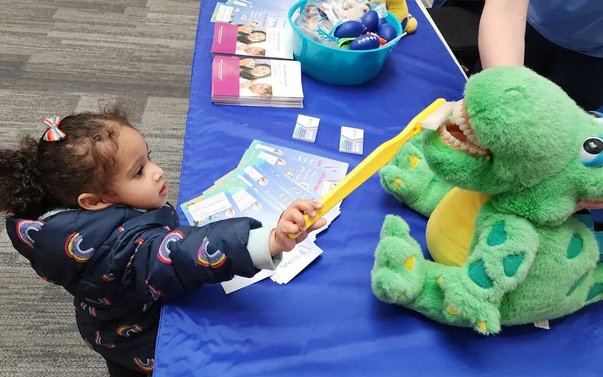
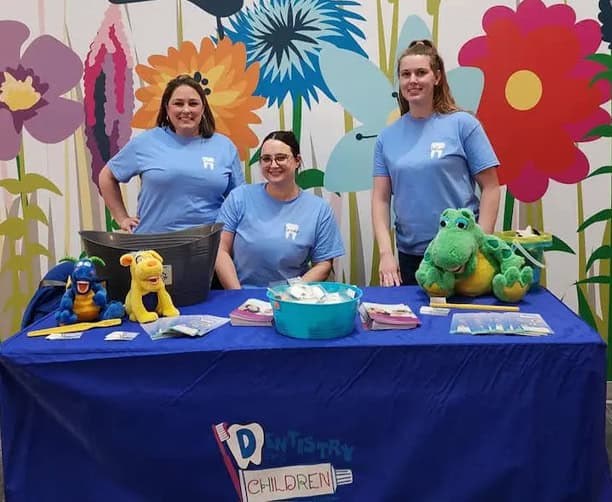
At Dentistry for Children, we believe in supporting the families and communities we serve. Our pediatric dentists and dental associates regularly participate in community education programs and dental presentations for schools and organizations.
Through these programs, we help the community learn about healthy dental habits, cavity prevention, and the importance of visiting a pediatric dentist regularly. Our goal is to help families across Kansas City build healthier smiles through education and support.
Over the years we’ve supported Harvesters, St. Charles School & Parish, Oakhill Day School, the Gladstone Chamber of Commerce, and Synergy Services. We’re always looking for new organizations and communities to support, so please let us know if you’re interested in partnering.
Awards & Professional Recognition
Dentistry for Children and our dentists have received recognition for our commitment to providing exceptional pediatric dentistry and community involvement. Our recognitions include:
- 11-time winner of Best of the Northland for Pediatric Dentistry from the Courier-Tribune and Gladstone Dispatch
- Gladstone Chamber of Commerce 2023 Business of the Year Award
- 2023 Dentist of the Year – Missouri Dental Association
- 2023 ADA 10 Under 10 Award recognizing
- Multiple television appearances by our pediatric dentists on Kansas City news stations
These recognitions reflect the dedication of our pediatric dentists and dental associates to providing trusted dental care for children and teens in our community.
Frequently Asked Dental Questions Answered by Award-Winning Pediatric & Teen Dentists
Many parents wonder why they should take their children to a pediatric specialist instead of a general dentist. The simple answer is pediatric dentists have extra training specifically to equip them to care for children’s teeth.
A pediatric dentist has an extra two to three years of specialized training after dental school, and is dedicated to the oral health of children from infancy through the teenage years. The very young, pre-teens, and teenagers all need different approaches in dealing with their behavior, guiding their dental growth and development, and helping them avoid future dental problems. The pediatric dentist is best qualified to meet these needs.
“Pediatric dentistry is one of nine dental specialties recognized by the American Dental Association. Pediatric dentists are the pediatricians of dentistry. They provide both primary and specialized oral health care for infants, children, adolescents and persons with special health care needs.” -American Academy of Pediatric Dentistry 2009 Fast Facts
This video from the American Academy of Pediatric Dentistry (AAPD) has a great explanation of why to take your children to a pediatric dentist: AAPD Introduces New Pediatric Dentist Video.
Registered dental hygienists (RDHs) are licensed oral health professionals who provide preventative dental care services and oral health care assessments. Those patients with orthodontics or those who have difficulty getting their teeth properly cleaned will receive the expert care a registered dental hygienist can deliver because of their education. They work closely with dental assistants and dentists, but they are primarily responsible for cleaning teeth and performing dental examinations. Unlike dental assistants, who work directly with dentists, hygienists often see patients on their own and direct their own tasks. Registered Dental hygienists also educate patients on ways to improve and maintain good oral health.
The American Academy of Pediatrics (AAP), the American Dental Association (ADA), and the American Academy of Pediatric Dentistry (AAPD) all recommend establishing a “Dental Home” for your child by one year of age. Children who have a dental home are more likely to receive appropriate preventive and routine oral health care.
The Dental Home is intended to provide a place other than the Emergency Room for parents.
You can make the first visit to the dentist enjoyable and positive. If old enough, your child should be informed of the visit and told that the dentist and their staff will explain all procedures and answer any questions. The less to-do concerning the visit, the better.
It is best to refrain from using words around the child that might cause unnecessary fear, such as needle, pull, drill or hurt. Pediatric dental offices make a practice of using words that convey the same message, but are pleasant and non-frightening to the child.
For Children visiting Dentistry For Children for the first time please visit our new patient information page.
The American Academy of Pediatric Dentistry (AAPD) recommends that all pregnant women receive oral healthcare and counseling during pregnancy. Research has shown evidence that periodontal disease can increase the risk of preterm birth and low birth weight. Talk to your doctor or dentist about ways you can prevent periodontal disease during pregnancy.
Additionally, mothers with poor oral health may be at a greater risk of passing the bacteria which causes cavities to their young children.
Mother’s should follow these simple steps to decrease the risk of spreading cavity-causing bacteria:
- Visit your dentist regularly
- Brush and floss on a daily basis to reduce bacterial plaque
- Proper diet, with the reduction of beverages and foods high in sugar & starch
- Use a fluoridated toothpaste recommended by the ADA and rinse every night with an alcohol-free, over-the-counter mouth rinse with .05 sodium fluoride in order to reduce plaque levels.
- Don’t share utensils, cups or food which can cause the transmission of cavity-causing bacteria to your children
For more information please view the following video from the American Dental Association for expecting mothers: How To Take Care Of Your Teeth During Pregnancy.
Yes! These patients may have physical, developmental, mental, sensory, behavioral, cognitive, or emotional impairment or a limiting condition requiring medical management, health care intervention, and/or specialized services or programs. Our Pediatric Dentists have the experience, training, and attention to help young patients with Special Health Care Needs, and our dental offices are designed to accommodate them.
Teething, the process of baby (primary) teeth coming through the gums into the mouth, is variable among individual babies. Some babies get their teeth early and some get them late. In general, the first baby teeth to appear are usually the lower front (anterior) teeth and they usually begin erupting between the age of 6-8 months.
For more information on Teething please visit the American Dental Associations Healthymouth.org Website.
The sooner the better! Starting at birth, clean your child’s gums with a soft infant toothbrush or cloth and water. As soon as the teeth begin to appear, start brushing twice daily using fluoridated toothpaste and a soft, age-appropriate sized toothbrush.
Use a “smear” of toothpaste to brush the teeth of a child less than 2 years of age. For the 2-5 year old, dispense a “pea-size” amount of toothpaste and perform or assist your child’s toothbrushing.
Remember that young children do not have the ability to brush their teeth effectively.
For more information on providing dental care for your baby, download the AAPD’s brochure “Dental Care for Your Baby”.
One serious form of decay among young children is baby bottle tooth decay, also referred to by dentists as early childhood caries (ECC). ECC can be caused by frequent and long exposures of an infant’s teeth to liquids that contain sugar. Among these liquids are milk (including breast milk), formula, fruit juice and other sweetened drinks.
Putting a baby to bed for a nap or at night with a bottle other than water can cause serious and rapid tooth decay. Sweet liquid pools around the child’s teeth giving plaque bacteria an opportunity to produce acids that attack tooth enamel. If you must give the baby a bottle as a comforter at bedtime, it should contain only water. If your child won’t fall asleep without the bottle and its usual beverage, gradually dilute the bottle’s contents with water over a period of two to three weeks.
After each feeding, wipe the baby’s gums and teeth with a damp washcloth or gauze pad to remove plaque. The easiest way to do this is to sit down, place the child’s head in your lap or lay the child on a dressing table or the floor. Whatever position you use, be sure you can see into the child’s mouth easily.
For additional information on taking care of your Baby’s Teeth, please visit the American Dental Associations’ Mouth Heathy Website.
Baby Teeth are needed for:
- Proper chewing and eating,
- Providing space for the permanent teeth
- Guiding the permanent teeth into the correct position
- Permitting normal development of the jaw bones and muscles.
- Development of speech
- Supporting an attractive appearance.
While the front 4 teeth last until 6-7 years of age, the back teeth (cuspids and molars) aren’t replaced until age 10-13.
- Break off about 18 inches of floss and wind most of it around one of your middle fingers. Wind the remaining floss around the same finger of the opposite hand. This finger will take up the floss as it becomes dirty. Hold the floss tightly between your thumbs and forefingers.
- Guide the floss between your teeth using a gentle rubbing motion. Never snap the floss into the gums
- When the floss reaches the gum line, curve it into a C shape against one tooth. Gently slide it into the space between the gum and the tooth.
- Guide the floss between your teeth using a gentle rubbing motion. Never snap the floss into the gums
- Repeat this method on the rest of your teeth
- Don’t forget the back side of your last tooth.
For more information on how to Floss. Download an illustration from the ADA on how to floss.
Tooth brushing is one of the most important tasks for good oral health. Many toothpastes, and/or tooth polishes, however, can damage young smiles. They contain harsh abrasives, which can wear away young tooth enamel. When looking for a toothpaste for your child, make sure to pick one that is recommended by the American Dental Association as shown on the box and tube. These toothpastes have undergone testing to insure they are safe to use. Or you can pick up your dental products when you visit our office. We have specially selected good dental products that will help your child keep your teeth clean and strong.
Remember, children should spit out toothpaste after brushing to avoid getting too much fluoride. If too much fluoride is ingested, a condition known as fluorosis can occur. If your child is too young or unable to spit out toothpaste, consider providing them with a fluoride free toothpaste, using no toothpaste, or using only a “pea size” amount of toothpaste.
Good oral hygiene removes bacteria and the left over food particles that combine to create cavities. For infants, use a wet gauze or clean washcloth to wipe the plaque from teeth and gums. Avoid putting your child to bed with a bottle filled with anything other than water.
For older children, brush their teeth at least twice a day. Also, watch the number of snacks containing sugar that you give your children.
The American Academy of Pediatric Dentistry recommends visits every six months to the pediatric dentist, beginning at your child’s first birthday. Routine visits will start your child on a lifetime of good dental health.
Your pediatric dentist may also recommend protective sealants or home fluoride treatments for your child. Sealants can be applied to your child’s molars to prevent decay on hard to clean surfaces.
Healthy eating habits lead to healthy teeth. Like the rest of the body, the teeth, bones and the soft tissues of the mouth need a well-balanced diet. Children should eat a variety of foods from the five major food groups. Most snacks that children eat can lead to cavity formation.
The more frequently a child snacks, the greater the chance for tooth decay. How long food remains in the mouth also plays a role. For example, hard candy and breath mints stay in the mouth a long time, which cause longer acid attacks on tooth enamel.
If your child must snack, choose nutritious foods such as vegetables, low-fat yogurt, and low-fat cheese, which are healthier and better for children’s teeth.
Radiographs (X-Rays) are a vital and necessary part of your child’s dental diagnostic process. Without them, certain dental conditions can and will be missed.
Radiographs detect much more than cavities. For example, radiographs may be needed to survey erupting teeth, diagnose bone diseases, evaluate the results of an injury, or plan orthodontic treatment. Radiographs allow dentists to diagnose and treat health conditions that cannot be detected during a clinical examination. If dental problems are found and treated early, dental care is more comfortable for your child and more affordable for you.
The American Academy of Pediatric Dentistry recommends radiographs and examinations every six months for children with a high risk of tooth decay. On average, most pediatric dentists request radiographs approximately once a year. Approximately every 3 years, it is a good idea to obtain a complete set of radiographs, either a panoramic and bitewings or periapicals and
bitewings.
Pediatric dentists are particularly careful to minimize the exposure of their patients to radiation. With contemporary safeguards, the amount of radiation received in a dental X-ray examination is extremely small. The risk is negligible. In fact, the dental radiographs represent a far smaller risk than an undetected and untreated dental problem. Lead body aprons and shields will protect your child. Today’s equipment filters out unnecessary x-rays and restricts the x-ray beam to the area of interest. High-speed film and proper shielding assure that your child receives a minimal amount of radiation exposure.
Fluoride is an element, which has been shown to be beneficial to teeth. However, too little or too much fluoride can be detrimental to the teeth. Little or no fluoride will not strengthen the teeth to help them resist cavities. Excessive fluoride ingestion by preschool-aged children can lead to dental fluorosis, which is a chalky white to even brown discoloration of the permanent teeth.
Many children often get more fluoride than their parents realize. Being aware of a child’s potential sources of fluoride can help parents prevent the possibility of dental fluorosis.
Some of these sources are:
- Too much fluoridated toothpaste at an early age.
- The inappropriate use of fluoride supplements
- Hidden sources of fluoride in the child’s diet
Two and three year olds may not be able to expectorate (spit out) fluoride-containing toothpaste when brushing. As a result, these youngsters may ingest anexcessive amount of fluoride during tooth brushing. Toothpaste ingestion during this critical period of permanent tooth development is the greatest risk factor in the development of fluorosis.
Excessive and inappropriate intake of fluoride supplements may also contribute to fluorosis. Fluoride drops and tablets, as well as fluoride fortified vitamins should not be given to infants younger than six months of age. After that time, fluoride supplements should only be given to children after all of the sources of ingested fluoride have been accounted for and upon the recommendation of your pediatrician or pediatric dentist.
Certain foods contain high levels of fluoride, especially powdered concentrate infant formula, soy-based infant formula, infant dry cereals, creamed spinach, and infant chicken products. Please read the label or contact the manufacturer. Some beverages also contain high levels of fluoride, especially decaffeinated teas, white grape juices, and juice drinks manufactured in fluoridated cities.
Parents can take the following steps to decrease the risk of fluorosis in their children’s teeth:
- Use baby tooth cleanser on the toothbrush of the very young child.
- Place only a pea sized drop of children’s toothpaste on the brush when brushing
- Account for all of the sources of ingested fluoride before requesting fluoride supplements from your child’s physician or pediatric dentist
- Avoid giving any fluoride-containing supplements to infants until they are at least 6 months old
- Obtain fluoride level test results for your drinking water before
giving fluoride supplements to your child (check with local water utilities)
For more information, please watch Healthy Living MO’s video Fluoride Varnish – A Cavity Fighting Tool!
Parents are often concerned about the nocturnal grinding of teeth (bruxism). Often, the first indication is the noise created by the child grinding on their teeth during sleep. Or, the parent may notice wear (teeth getting shorter) to the dentition.
One theory as to the cause involves a psychological component. Stress due to a new environment, divorce, changes at school; etc. can influence a child to grind their teeth. Another theory relates to pressure in the inner ear at night. If there are pressure changes (like in an airplane during take-off and landing, when people are chewing gum, etc. to equalize pressure) the child will grind by moving his jaw to relieve this pressure.
The majority of cases of pediatric bruxism do not require any treatment. If excessive wear of the teeth (attrition) is present, then a mouth guard (night guard) may be indicated. The negatives to a mouth guard are the possibility of choking if the appliance becomes dislodged during sleep and it may interfere with growth of the jaws. The positive is obvious by preventing wear to the primary dentition.
The good news is most children outgrow bruxism. The grinding decreases between the ages 6-9 and children tend to stop grinding between ages 9-12. If you suspect bruxism, contact us for assistance.
Contact your pediatric dentist immediately. Quick action can save the tooth, prevent infection and reduce the need for extensive dental treatment.
Rinse the mouth with water and apply cold compresses to reduce swelling. If possible, locate and save any broken tooth fragments and bring them with you to the dentist.
Contact your pediatric dentist. This is not usually an emergency, and in most cases, no treatment is necessary.
The patient must see a dentist IMMEDIATELY! Time is a critical factor in saving the tooth.
If possible, find the tooth. Handle it by the crown, not by the root. You may rinse the tooth with water only.
DO NOT clean with soap, scrub or handle the tooth unnecessarily. Inspect the tooth for fractures.
If it is sound, try to reinsert it in the socket. Have the patient hold the tooth in place by biting on a gauze.
If you cannot reinsert the tooth, transport the tooth in a cup containing the patient’s saliva or milk.
If the patient is old enough, the tooth may also be carried in the patient’s mouth (beside the cheek).
When a child begins to participate in recreational activities and organized sports, injuries can occur. A properly fitted mouth guard, or mouth protector, is an important piece of athletic gear that can help protect your child’s smile, and should be used during any activity that could result in a blow to the face or mouth.
Mouth guards help prevent broken teeth, and injuries to the lips, tongue, face or jaw. A properly fitted mouth guard will stay in place while your child is wearing it, making it easy for them to talk and breathe.
Dentistry For Children offers mouthguards for patients. Visit our products page for more information.
Clean the area of the affected tooth.
Rinse the mouth thoroughly with warm water or use dental floss to dislodge any food that may be impacted.
If the pain still exists, contact your child’s dentist.
Do not place aspirin or heat on the gum or on the aching tooth. If the face is
swollen, apply cold compresses and contact your dentist immediately.
Sucking is a natural reflex and infants and young children may use thumbs, fingers, pacifiers and other objects on which to suck. It may make them feel secure and happy, or provide a sense of security at difficult periods. Since thumb sucking is relaxing, it may induce sleep.
Thumb sucking that persists beyond the eruption of the permanent teeth can cause problems with the proper growth of the mouth and tooth alignment. How intensely a child sucks on fingers or thumbs will determine whether or not dental problems may result. Children who rest their thumbs passively in their mouths are less likely to have difficulty than those who vigorously suck their thumbs.
Children should cease thumb sucking by the time their permanent front teeth are ready to erupt. Usually, children stop between the ages of two and four. Peer pressure causes many school-aged children to stop.
Pacifiers are no substitute for thumb sucking. They can affect the teeth essentially the same way as sucking fingers and thumbs. However, use of the pacifier can be controlled and modified more easily than the thumb or finger habit. If you have concerns about thumb sucking or use of a pacifier, consult your pediatric dentist.
A few suggestions to help your child get through thumb sucking:
- Instead of scolding children for thumb sucking, praise them when they are not.
- Children often suck their thumbs when feeling insecure. Focus on correcting the cause of anxiety, instead of the thumb sucking.
- Children who are sucking for comfort will feel less of a need when their parents provide comfort.
- Reward children when they refrain from sucking during difficult periods, such as when being separated from their parents.
- Your pediatric dentist can encourage children to stop sucking and explain what could happen if they continue.
If these approaches don’t work, remind the children of their habit by bandaging the thumb or putting a sock on the hand at night. Your pediatric dentist may recommend the use of a mouth appliance.
Here is a thumb sucking calendar parents may use to help guide their child stop the thumb sucking. For our patients please call our office at (816) 548-3400 for more information about using the calendar.
Dental caries (cavities) and traumatic injury are the main reasons for a tooth to require pulp therapy. Pulp therapy is often referred to as a nerve treatment, children’s root canal, pulpectomy or pulpotomy.
The pulp of a tooth is the inner, central core of the tooth. The pulp contains nerves, blood vessels, connective tissue and reparative cells. The purpose of pulp therapy in Pediatric Dentistry is to maintain the vitality of the affected tooth (so the tooth is not lost.)
Many teeth are still lost prematurely even though we know the importance of the teeth and above all we have various techniques to save them. The primary objective of pulp treatment of an affected tooth is to maintain the integrity and health of oral tissues. Primary teeth that are the baby teeth are replaced by the adult teeth so people do not take them seriously. But the baby teeth are very important. If they are lost prematurely like they are lost before their normal shedding time they can cause lot of problems. The child will have difficulty in chewing the food and it will have adverse effect on his or her general growth and development. The psychological trauma is there to the child. Child has the speech problem. The baby teeth maintain the arch integrity and maintain the space for the eruption of the permanent teeth or the adult teeth but if the baby teeth are lost before the time the space will be lost and the adult teeth will not erupt in their normal position. It can also cause the development of certain abnormal tongue positions. So, maximum attempts are made to preserve primary teeth in a healthy state until normal exfoliation of teeth occurs.
A dental sealant is a clear or shaded plastic material that is applied to the chewing surfaces (grooves) of the back teeth (premolars and molars), where four out of five cavities in children are found.
This sealant acts as a barrier to food, plaque and acid, thus protecting the decay-prone areas of the teeth.
Developing malocclusions, or bad bites, can be recognized as early as 2-3 years of age. Often, early steps can be taken to reduce the need for major orthodontic treatment at a later age.
Stage 1– Early Treatment: This period of treatment encompasses ages 2 to 6 years. At this young age, we are concerned with underdeveloped dental arches, the premature loss of primary teeth, and harmful habits such as finger or thumb sucking. Treatment initiated in this stage of development is often very successful and many times, though not always, can eliminate the need for future orthodontic/orthopedic treatment.
Stage 2– Mixed Dentition: This period covers the ages of 6 to 12 years, with the eruption of the permanent incisor (front) teeth and 6 year molars. Treatment concerns deal with jaw malrelationships and dental realignment problems. This is an excellent stage to start treatment, when indicated, as your child’s hard and soft tissues are usually very responsive to orthodontic or orthopedic forces.
Stage 3 – Adolescent Dentition: This stage deals with the permanent teeth and the development of the final bite relationship.
Pediatric Sedation Dentistry is available at our Gladstone Dental office. In the case of the very young children, those with developmental disabilities, or children with numerous areas of decay and unable to cooperate in a traditional office setting, it is sometimes necessary to use general anesthesia.
Our pediatric dentists have hospital privileges at Children’s Mercy Hospital and North Kansas City Hospital for those procedures.
In addition, Dentistry for Children works with Mobile Anesthesia Care, a local anesthesia group, to provide outpatient surgery services at our Gladstone location. This allows families the option of having their child’s dental care done in a familiar environment utilizing the same board certified anesthesiologists who are on staff at Children’s Mercy Hospital.
Kids with extensive treatment plans benefit when they awake from anesthesia and their dental care has been completed without negative memories of the experience. Once we have restored these teeth we can treat the pediatric patient in the office on a regular basis.
For more questions regarding Pediatric Sedation Dentistry at Dentistry for Children, you can call us at our Gladstone Pediatric Dentistry (816) 548-3400.
Stories from Happy Kansas City Families

Give Your Child a Dental Home They Will Love
Your child’s dental health plays an important role in their overall well being and confidence. With the right pediatric dentistry team, dental visits can be calm, informative, and positive for both parents and children.
Dentistry for Children helps families protect their child’s smile through prevention, kids dental care, and clear guidance that supports healthy habits at home. When children feel comfortable at the dentist and parents feel confident in the care their child receives, dental visits become a positive part of growing up.
Schedule your child’s visit today and experience dental care designed with both kids and parents in mind.